Who runs fashion trend analysis here

How we approach fashion trend education
Our framework built around practical analysis skills rather than theory alone
Data over aesthetics
We teach participants to read sales velocity reports, inventory turnover rates, and regional adoption patterns. Visual appreciation matters, but numbers determine which trends actually move through retail channels.
Current season focus
Historical context has value, but seminars concentrate on active collections and ongoing market responses. Participants analyze what consumers are purchasing now, not what might emerge three years ahead.
Peer discussion structure
Learning happens through comparative analysis with other participants. Small group sessions review the same datasets and compare interpretations, exposing different analytical approaches to identical information.

The analyst behind the curriculum
Dolmerano seminars reflect one perspective on fashion analysis, shaped by specific industry experience and research methods developed over years working with European retailers and Asian manufacturers.
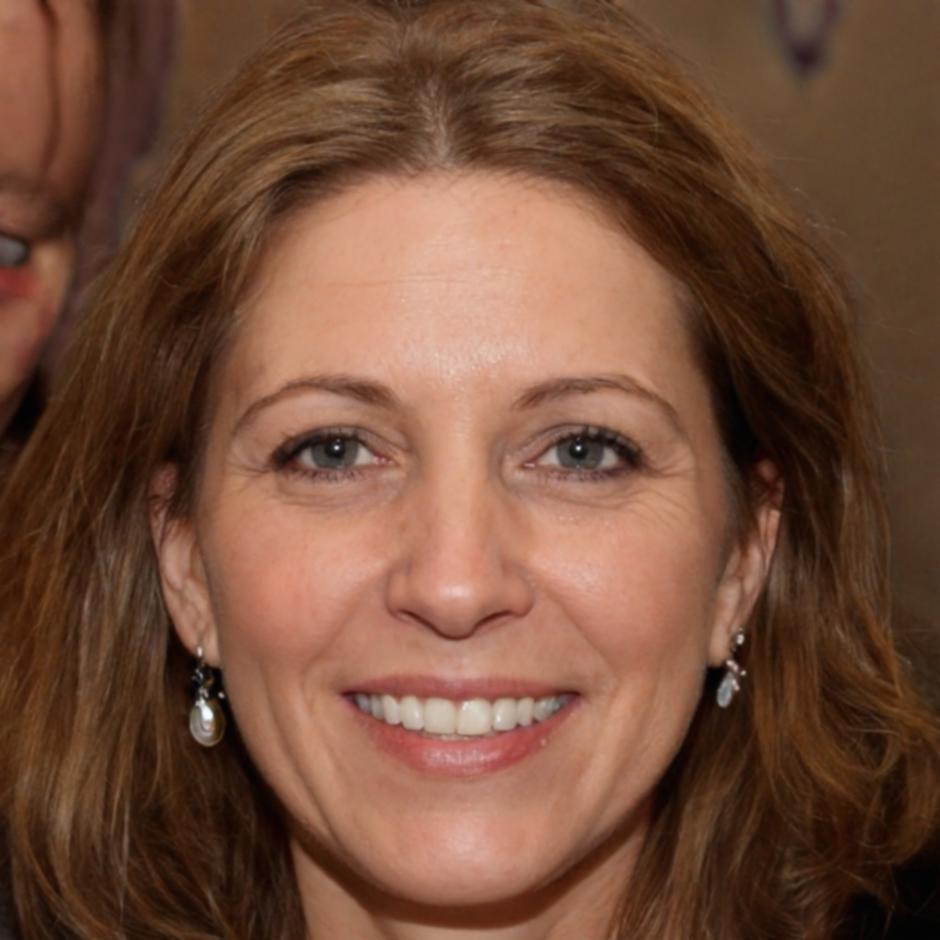
Dagmar Vestergård
After completing textile engineering studies at Copenhagen, I spent three years with a Nordic retail chain analyzing buying patterns across twelve markets. That led to consulting work with Asian manufacturers on European trend adoption cycles.
The seminar content draws from those years tracking how specific design elements move from runway presentations into mass market production. My focus remains on the measurable aspects: fabric adoption rates, silhouette preference shifts, and color palette transitions that show up in actual purchase data.
Research approach
Seminar materials compile data from retail point-of-sale systems, manufacturer production schedules, and regional market reports. We avoid subjective style commentary in favor of documented purchasing behavior and inventory movement patterns.
Discussion framework
Sessions structured around comparative case analysis rather than lectures. Participants receive identical datasets and develop independent interpretations before group discussion reveals different analytical paths to the same information.